For most of my career, I was a traditional network engineer.
Seventeen years in telecom and transport networks teaches you one thing very quickly:
When things break, they break loudly.
Alarms flood in. SLAs are at risk. Customers are impacted. Every second matters.
You don’t have time for theory—you deal with reality.
But over time, something started to shift.
The nature of problems didn’t change… but the tools to solve them did.
And that’s where my transition into AI really began.

The Moment I Realized Things Were Changing

In modern network operations, I started seeing a pattern:
Too many alarms
Too much noise in monitoring systems
Too many “false positives”
Too much manual correlation work
Engineers weren’t lacking skill.
We were drowning in data
That’s when a question hit me:
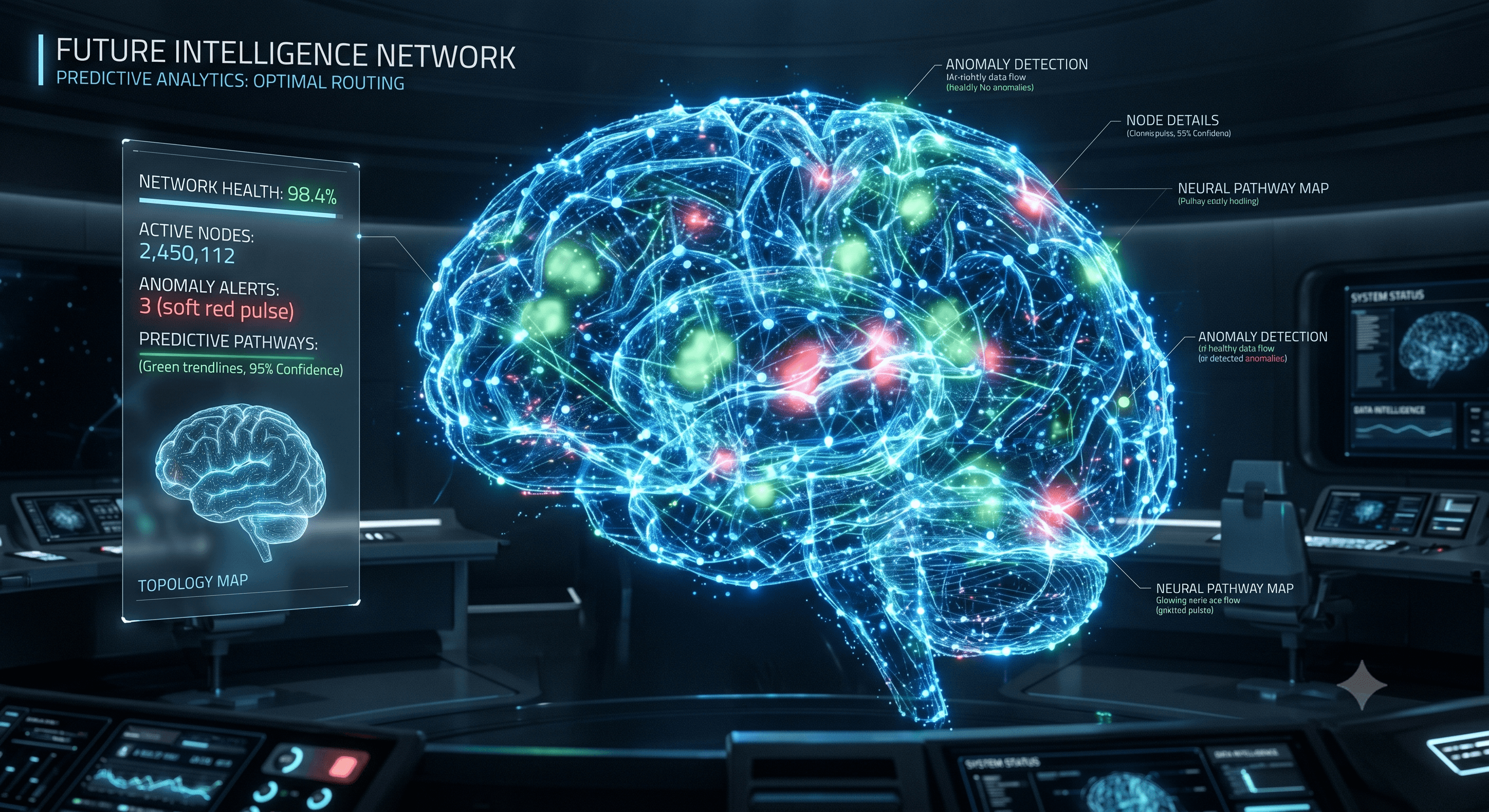
“What if the network could explain itself before we even investigate?”
That question led me down a path I didn’t fully expect at the time—AI, cloud, and automation.
I Didn’t “Switch Careers” — I Expanded My Engineering Stack
There’s a misconception that moving into AI means starting over.
That’s not true.
In my case, I didn’t abandon networking.
I built on it.
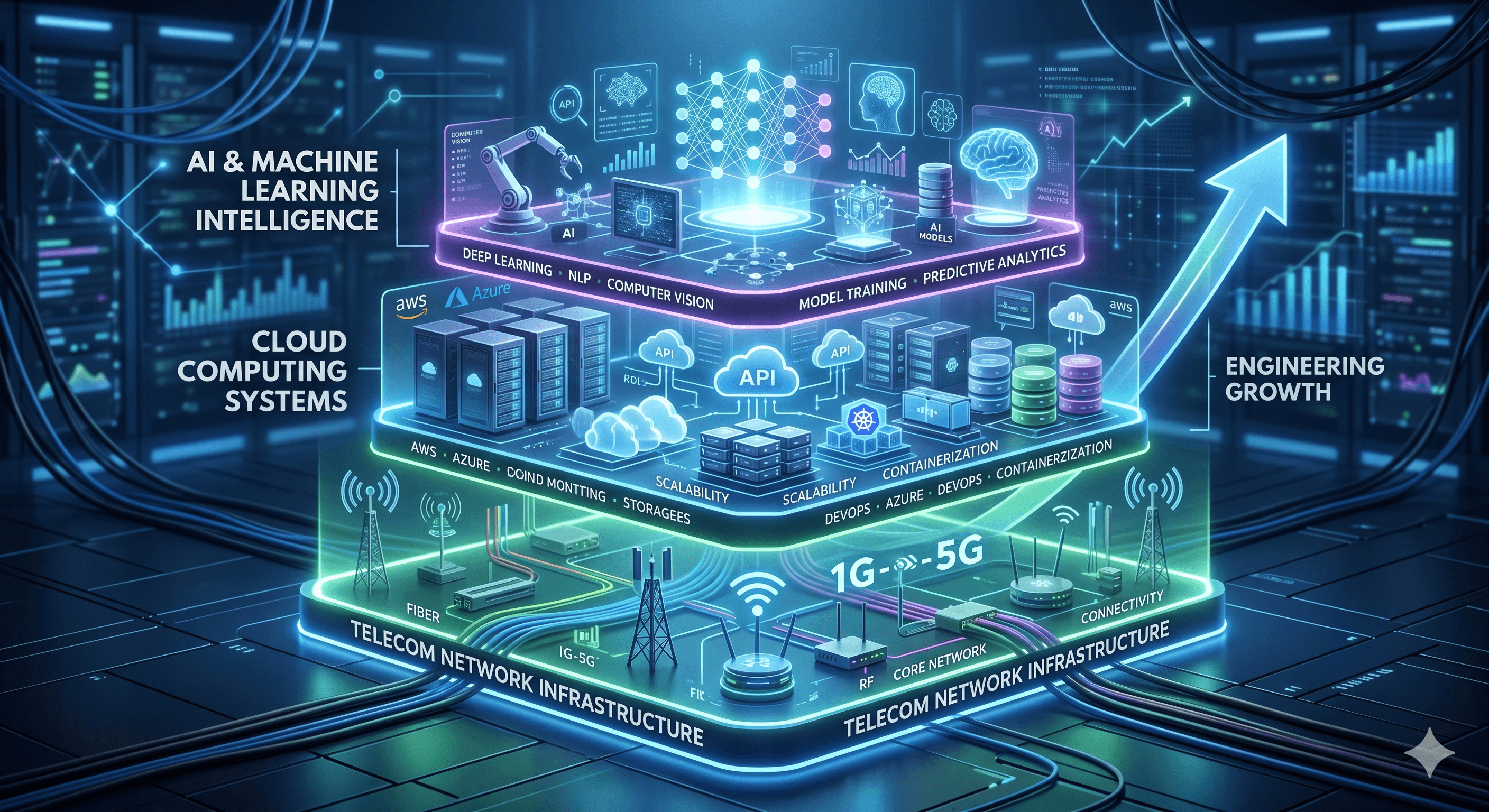
My foundation remained the same:
SLA-driven environments
KPI-based operations
Large-scale transport and telecom systems
High-pressure troubleshooting scenarios
But I started adding a new layer:
Cloud computing (AWS + Azure)
AI/ML fundamentals
Observability systems
Data-driven decision making
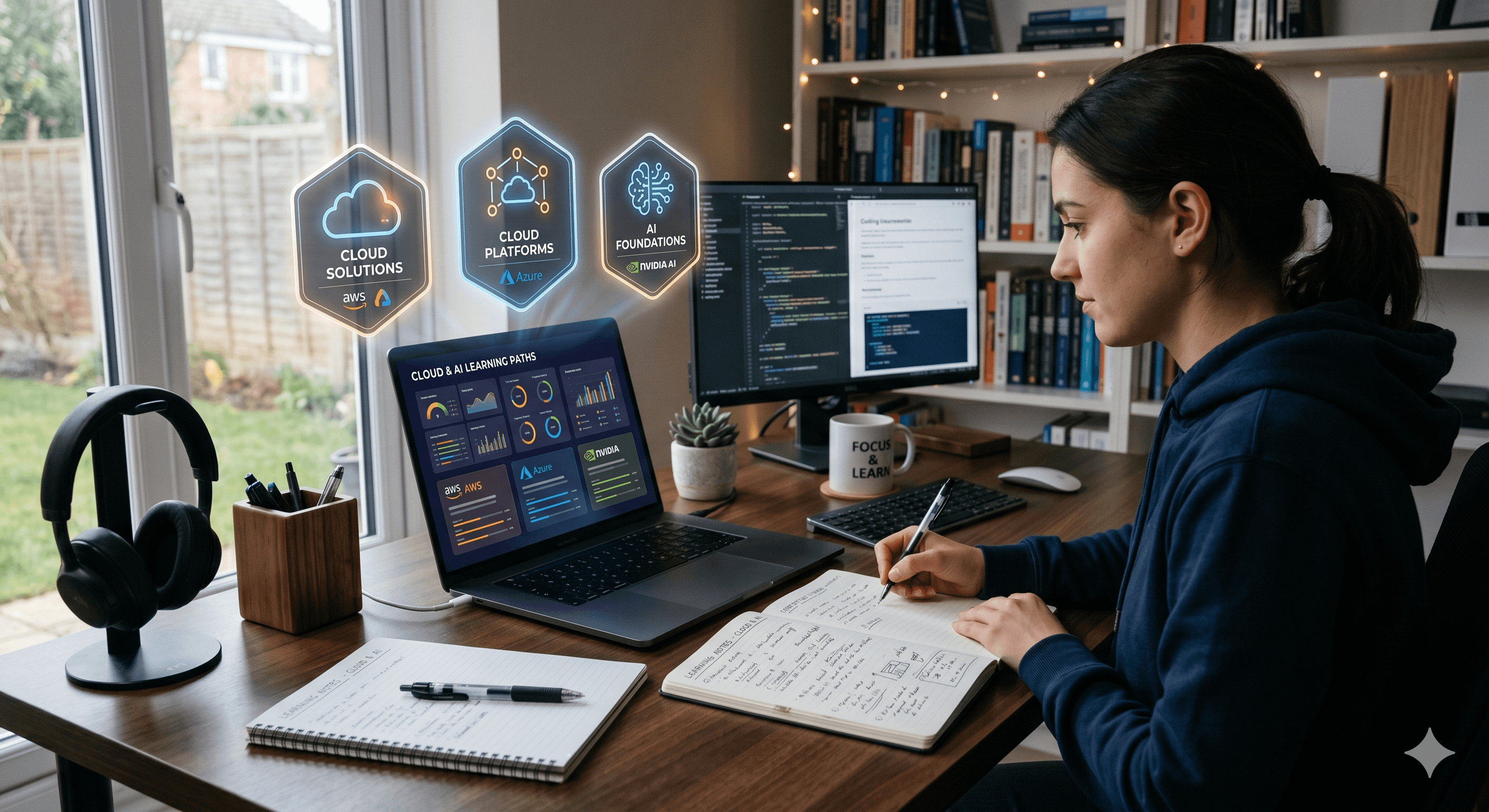
Then I formalized it through certifications:
NVIDIA AI Certification
AWS AI certification path
Microsoft Azure AI certification
Not for the badge—but for structured understanding.
What Changed When I Learned AI (The Real Insight)
AI didn’t replace my engineering thinking.
It amplified it.
I started seeing familiar problems differently:
Before AI:
Alarm → investigate → correlate logs → troubleshoot manually
After AI:
Patterns in logs → anomaly detection → predictive signals → faster root cause direction
The biggest shift was this:
From reactive troubleshooting to predictive engineering
That is a fundamentally different way of thinking about systems.
The Hard Truth About This Transition
Let me be honest.
This transition was not smooth.
The biggest challenges were:
1. Information overload
AI has no shortage of content—but very little structure.
2. Time constraints
Working full-time in engineering leaves little room for deep study.
3. Context switching
Moving between networking, cloud, and AI requires mental discipline.
4. Overestimating “learning”
Watching content is not the same as understanding systems.
What Actually Worked for Me
I didn’t rely on motivation.
I built a system.
1. Micro-learning consistently
30–60 minutes daily beats weekend cramming.
2. Structured learning approach
Concepts first
Exam-focused practice next
Hands-on labs always included
3. Real-world mapping
I constantly asked:
“How does this apply to real network operations?”
That single question made everything stick.
The Biggest Realization
After going through AWS, Azure, and NVIDIA AI certifications, I realized something important:
AI is not a separate domain anymore.
It is becoming part of:
Network operations
Cloud architecture
Incident management
System observability
Automation workflows
In other words:
AI is not replacing engineers. It is redefining what good engineering looks like.
Where I Am Now
Today, I see myself as:
A network engineer who understands AI. Not an AI engineer who once did networking.
That distinction matters.
Because the real value is not in tools.
It’s in understanding complex systems and making them intelligent.
Final Thought

If you are a working professional wondering whether it’s too late to step into AI, here’s my honest answer:
It’s not about starting over.
It’s about layering intelligence on top of what you already know.
You don’t need to abandon your experience.
You need to evolve it.
That’s exactly what I did.
And if you’re in infrastructure, cloud, or operations today—you are already closer to AI than you think.